Ecosia
Light Edition.
A light-mode adaptation of ecosia.org. Same chunky friendly typography, same generous spacing, same green-led accent system — rebuilt on a white & cream chassis for nonprofits and church plants whose work happens in the daylight.
Logo & lockups
The 2022 wordmark in #008009 is the canonical mark. Heritage tree-mark survives as a spot graphic, never paired with the wordmark. On dark surfaces the wordmark inverts to white via CSS fill, never to a different color.



Light-mode palette
Ecosia's full green spectrum kept intact — what changes is where it lives. The signature deep forest #18362b drops down to footer + one feature band per page, and the chassis becomes warm white. Accents (mint, sage, terracotta) earn their moments.
Type ramp
Ecosia ships Surt for display + Inter for body + Founders Grotesk for UI — two of three are paid. Substitutes here: Bricolage Grotesque (display, free, identical chunky friendly grotesque) + Inter (body, identical) + Manrope (UI, free workhorse).
Real work, real people, real trees.
Eight programs, one mission, every Sunday.
A church family doing the unglamorous work.
Ecosia's photography pulls you into the work itself — agroforestry in Rwanda, savanna restoration in Brazil, urban tree-planting in Berlin. Honest, not staged.
Mission-driven nonprofits don't need slick stock photography. They need a system that respects how their actual work looks: people in mid-action, real landscapes, cropped honestly. This system ports Ecosia's editorial discipline to the church & community-org context.
Action language
Pill-shaped, generous padding, Manrope 700. The pill is non-negotiable — every CTA on Ecosia is one. Tertiary "text + arrow" pattern is for inline reads that don't need visual weight.
Punctuation, not decoration
Pill chips signal kind-of-thing — series episode, project location, donation tier. Mist by default; terracotta for warmth moments; sage for editorial color; outlined for high-emphasis labels.
Story cards
Photo-led, short body, single tertiary CTA. Hover lifts on a soft mint shadow — never a hard drop shadow. Ecosia uses cards as catalog entries for projects + stories; we use them for ministries + events.
Smallholder agroforestry in Rwanda
Native shade trees + coffee plots, planted with the families who farm them.
Read the report →Cerrado biodiversity restoration
South America's most threatened savanna, replanted on the land that lost it.
Visit the project →Berlin urban canopy · planting day
A Saturday morning in Treptow with shovels, kids, and 220 oak saplings.
Sign up →Numbers earn the band.
Big numbers in --brand green on the deep forest band — one of the few licensed uses of #18362b in this system. Reserve for impact moments; don't repeat the dark band twice on the same page.
250M
100%
20M+
Real work, real frames
All 9 photos from Ecosia's Ghost CDN at w1600. Editorial color, no filters, no overlays unless type sits on top. The photographic discipline is half the brand.
Do, do not.
The shortest possible whole rule: act on the green's behalf. Where Ecosia would be quiet, be quiet. Where Ecosia would let a photo do the lifting, do not write a paragraph.
Do
- Use the wordmark in
#008009on white, cream, or mist surfaces. - Reserve the deep forest
#18362bfor footer + one feature band per page. - Pill-shape every CTA. No exceptions.
- Lead sections with photography; let the green appear in chips, links, and big numbers.
- Use Bricolage Grotesque for display, Inter for body, Manrope for tracked uppercase.
- Keep editorial copy short and action-forward: verbs, not adjectives.
Do not
- Set a whole page background in deep forest. That is dark-mode Ecosia, not this system.
- Use stock photography of "smiling diverse team in a meeting room." Use the supplied 9 real photos.
- Default to Inter or Helvetica for headlines — kills the chunky display signature.
- Add purple gradients, glass cards, neon, or any web3 / SaaS slop.
- Stack more than one warm terracotta moment per page.
- Bend the wordmark to a non-brand color. White or
#008009only.
Ecosia-light-only sections
Three pattern wrappers unique to this DS, layered on top of the canonical section catalog. The sprinkle pipeline calls them by name; only Ecosia-light implements them.
impact-stats
CSS hook:.sig-impact-stats
Every search funds tree planting. One small daily habit, multiplied by 20 million people, becomes a global forest.
Planting partners and citizen volunteers across 35 countries.
From Brazilian Cerrado to Ugandan rainforest to Berlin city blocks.
100% reinvested into climate action — never extracted as dividend.
action-steps
CSS hook:.sig-action-steps
Four ways in.
Every action plants a tree, funds a forest, or brings someone into the work. Pick where you start — the rest follows.
Search the web
Every search plants trees. Switch your default browser to Ecosia and your morning Google habit becomes a daily climate contribution.
Set as default →Volunteer
Find a planting project near you. Berlin Saturdays, Andes harvests, Cerrado restoration weekends — the field needs hands.
Find a project →Donate
80% goes directly to forests, 20% to the people running them. No fundraising overhead, no stockholder dividends.
Make a gift →Share
Tell a friend who searches a lot. The math compounds — one heavy searcher converted is roughly 80 trees a year.
Send the link →caption-pill-photo
CSS hook:.sig-caption-pill-photo
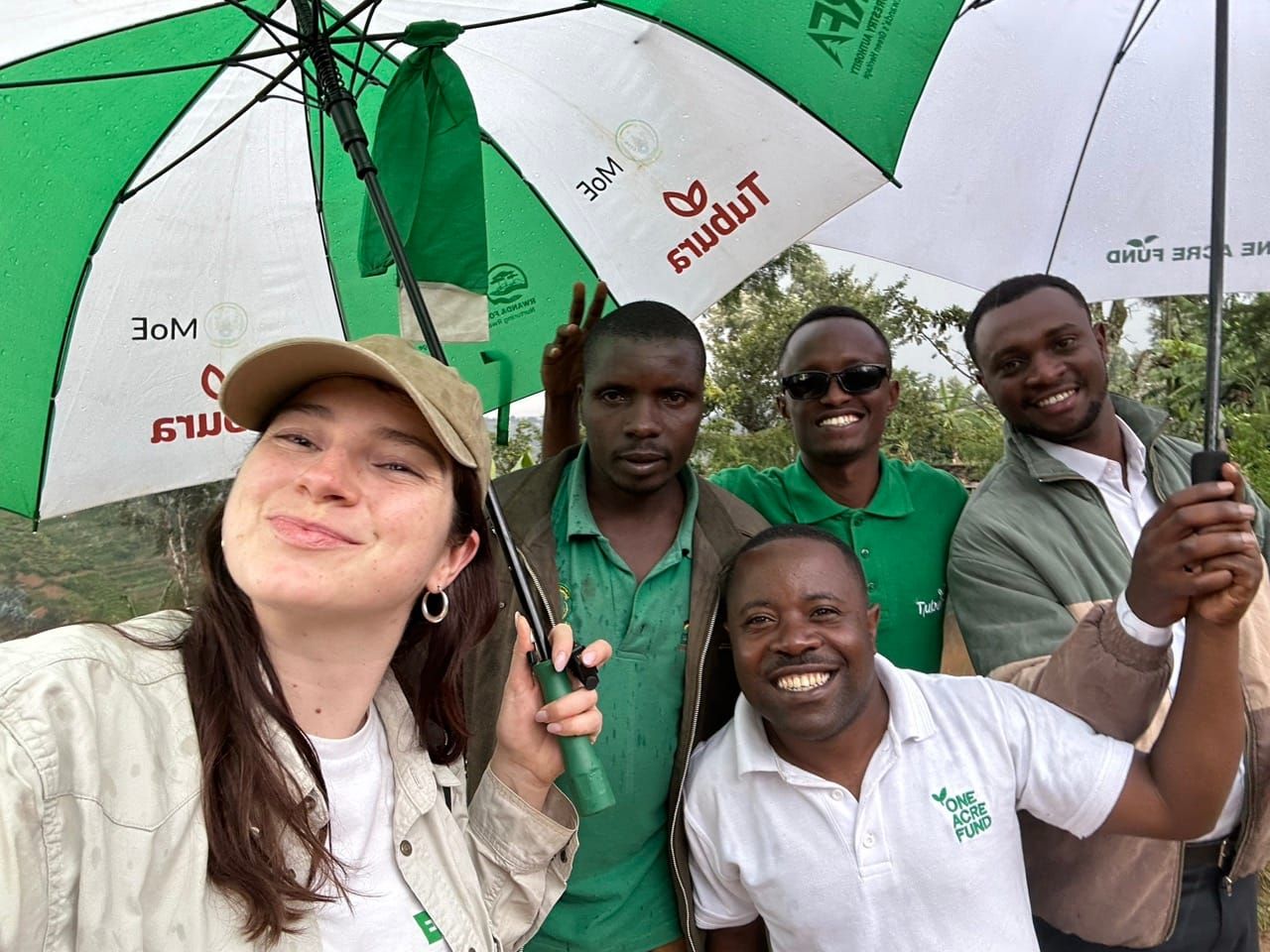 Rwanda agroforestry
Photo — Ecosia field team, Musanze district, Rwanda